5 Things That Surprise Foreigners About Living in Korea
From lightning-fast delivery to free side dishes, incredible internet speed, jimjilbang culture, and the nightlife that never sleeps — here are 5 things that surprise foreigners about daily life in South Korea.
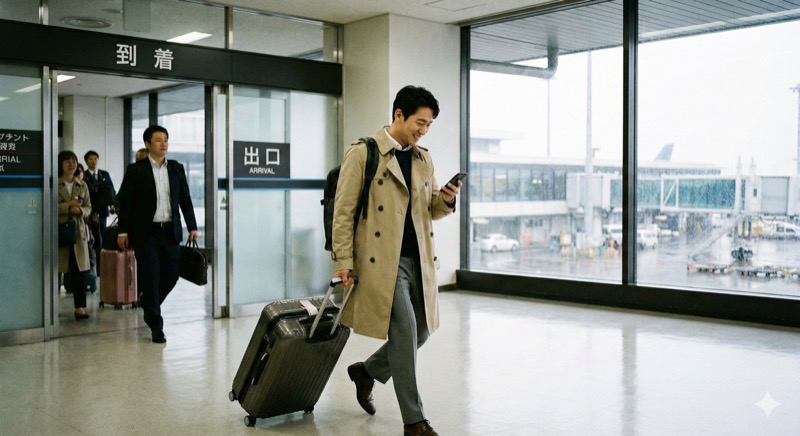
South Korea is a fascinating mix of ultra-modern technology and deep-rooted traditions. Even if you've watched hundreds of K-dramas or followed Korean culture online, actually living here reveals surprises at every turn.
Here are 5 things that consistently surprise foreigners when they experience life in Korea firsthand.
1. Delivery Culture Is on Another Level
If there's one thing Korea does better than almost anywhere else on Earth, it's delivery.
Food delivery apps like Baedal Minjok and Coupang Eats will bring practically any restaurant meal to your door — often in under 30 minutes. And it's not just fast food. You can order Korean BBQ, sushi, jjajangmyeon, fried chicken, bingsoo (shaved ice), even a full-course meal.
But delivery in Korea goes far beyond food. Need groceries? Coupang Rocket Delivery can have them at your door by the next morning — sometimes within hours. Need a battery, a phone charger, or a pair of socks at 11 PM? Not a problem.
For people coming from countries where delivery means waiting 3-5 business days (or paying a premium for next-day), Korea's delivery infrastructure feels almost unreal. The speed, variety, and affordability are genuinely world-leading.
And the delivery riders? They navigate Seoul's hills and traffic with a fearlessness that's both impressive and slightly terrifying.
2. Free Side Dishes — And They Keep Coming
Walk into almost any Korean restaurant, and before your main dish arrives, your table will be covered with small plates of banchan (반찬) — side dishes. Kimchi, pickled radish, seasoned spinach, bean sprouts, dried anchovies, japchae, and more.
These are all free. And they're refillable.
For foreigners used to paying for every item on the table, this is a revelation. You sit down, order one main dish, and suddenly you have a full spread. Need more kimchi? Just ask. Want another plate of that spicy radish? Wave down the server.
The variety and generosity of banchan culture is one of the most delightful aspects of eating in Korea. Even a simple lunch at a neighborhood restaurant feels like a feast because of all the side dishes that come with it.
A tip: the quality of the banchan is often a reliable indicator of the restaurant's overall quality. If the side dishes are fresh and well-prepared, the main course is usually excellent too.
3. Internet Speed That Spoils You Forever
Korea has some of the fastest internet in the world, and once you've experienced it, going back to anything slower feels painful.
Average broadband speeds in Korea are among the highest globally, and public Wi-Fi is available almost everywhere — in subways, buses, cafes, parks, and public buildings. Streaming, video calls, and large file downloads happen almost instantaneously.
Even more impressive is mobile data. Korean 5G coverage is extensive, and mobile speeds routinely exceed what counts as "high-speed broadband" in many other countries.
For remote workers and digital nomads, Korea is paradise. You can work from virtually any cafe in Seoul with a stable, blazing-fast connection. The idea of "buffering" becomes a distant memory.
Koreans themselves tend to take this for granted — many are genuinely shocked when they travel abroad and experience the internet speeds that the rest of the world considers normal. If you move to Korea, be warned: your expectations for internet speed will be permanently recalibrated.
4. Jimjilbang: The Korean Bath House Experience
One of Korea's most unique cultural experiences is the jimjilbang (찜질방) — a Korean-style bathhouse and sauna that's part spa, part community center, part sleepover destination.
For a surprisingly low entry fee (usually around 10,000-15,000 KRW / $7-11 USD), you get access to multiple hot and cold pools, saunas at various temperatures, steam rooms, and relaxation areas. Most jimjilbangs also have a common area where you can lounge in provided pajamas, watch TV, eat snacks, nap, or even sleep overnight.
Foreigners are often surprised by a few things:
- The bathing areas are nude (separated by gender). This takes some getting used to if you're not from a bathing culture.
- Families and friends go together as a social activity. It's not just about getting clean — it's about hanging out.
- You can literally sleep there. Need a cheap place to crash? Jimjilbang. Missed the last subway? Jimjilbang. Just want to relax for 12 hours? Jimjilbang.
The signature jimjilbang experience includes wearing the sheep-horn towel on your head, eating sikhye (sweet rice drink) and hard-boiled eggs from the snack bar, and sweating it out in the salt room or the charcoal kiln.
For a culture that moves at breakneck speed, the jimjilbang is where Koreans slow down. It's communal, unpretentious, and surprisingly restorative.
5. The City That Never Sleeps
Korea — especially Seoul — operates on a schedule that shocks visitors from many Western countries where everything closes by 9 or 10 PM.
In Seoul, it's perfectly normal to eat dinner at 10 PM, go shopping at midnight, or grab coffee at 1 AM. Convenience stores are everywhere (there are over 50,000 nationwide), and many restaurants, cafes, and shops stay open well past midnight.
The nightlife scene is famous, of course — areas like Hongdae, Gangnam, and Itaewon pulse with energy until the early morning hours. But it's not just about bars and clubs. Late-night culture includes 24-hour study cafes, PC bangs (gaming cafes), noraebang (karaoke), late-night food stalls, and the aforementioned jimjilbangs.
The subway stops running around midnight, but an extensive night bus network fills the gap until service resumes around 5:30 AM. And taxis are plentiful and affordable enough for late-night rides.
For foreigners coming from cities where the streets empty after dark, Seoul's relentless energy is both exhilarating and slightly overwhelming. There's always something open, always something happening, always somewhere to go.
Final Thoughts
These five things only scratch the surface. Korea is a country full of surprises — from the technology to the food to the social rhythms of daily life.
None of this is about saying Korea is "better" or "worse" than anywhere else. Every country has its unique strengths and quirks. But discovering and appreciating these differences is what makes living abroad — or even just visiting — such a rich experience.
If you ever get the chance to spend time in Korea, I hope you'll experience these things firsthand. And if you have Korean friends, ask them what surprised them when they traveled abroad — you'll get some great stories in return.